
Grow Fresh Food
Anywhere You Live
A structured beginner's course covering urban and hydroponic farming for balconies, rooftops, and indoor corners. Crop selection, basic care, and practical setup — explained from the inside out.
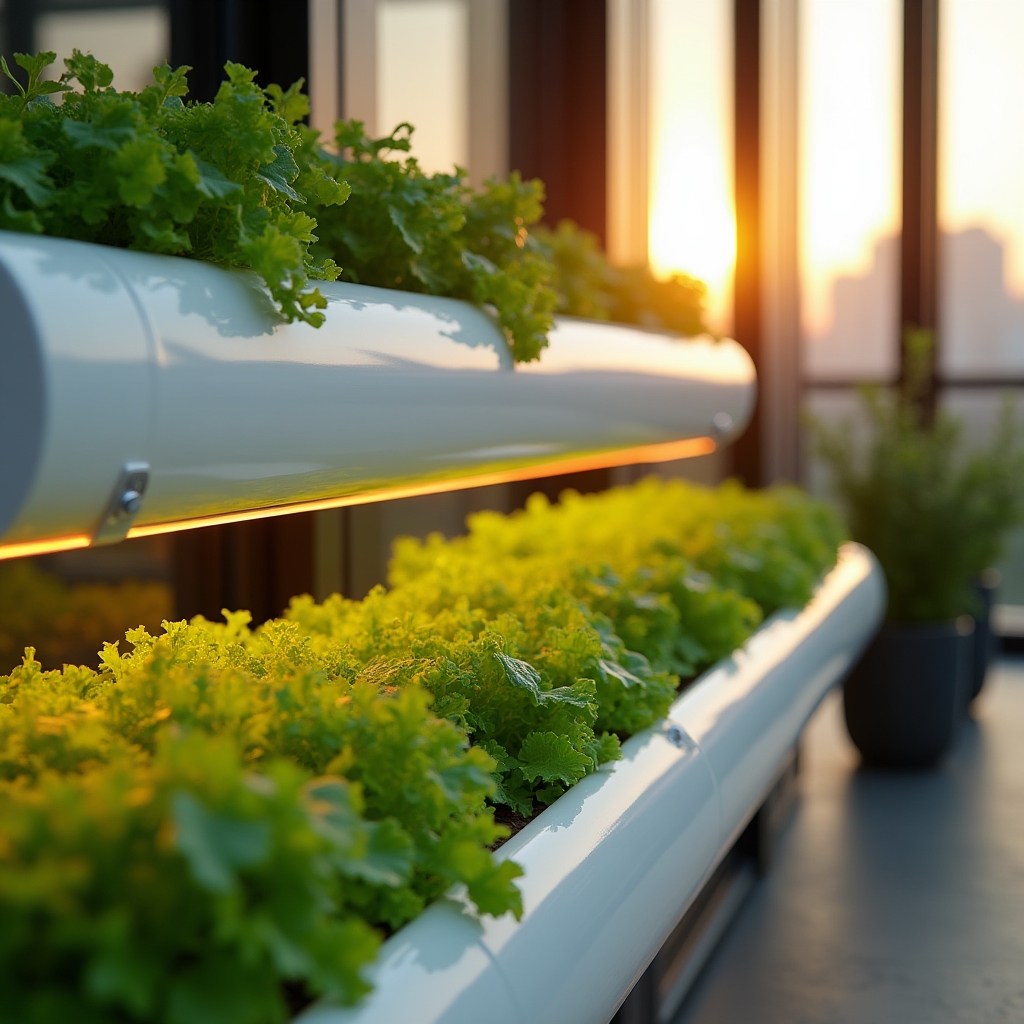
What You Actually Learn — and Why It's Structured This Way
Most beginner resources dump a list of tips without explaining the reasoning. Here, every topic comes with context. When we cover nutrient solutions in hydroponics, we explain what the roots are actually doing — why certain ratios matter, what happens when they're off, and how to read your plants as feedback.
The course moves from environment assessment through system selection, then into planting, maintenance, and troubleshooting. That sequence isn't arbitrary. Each stage builds the vocabulary you need for the next one.
See Our Approach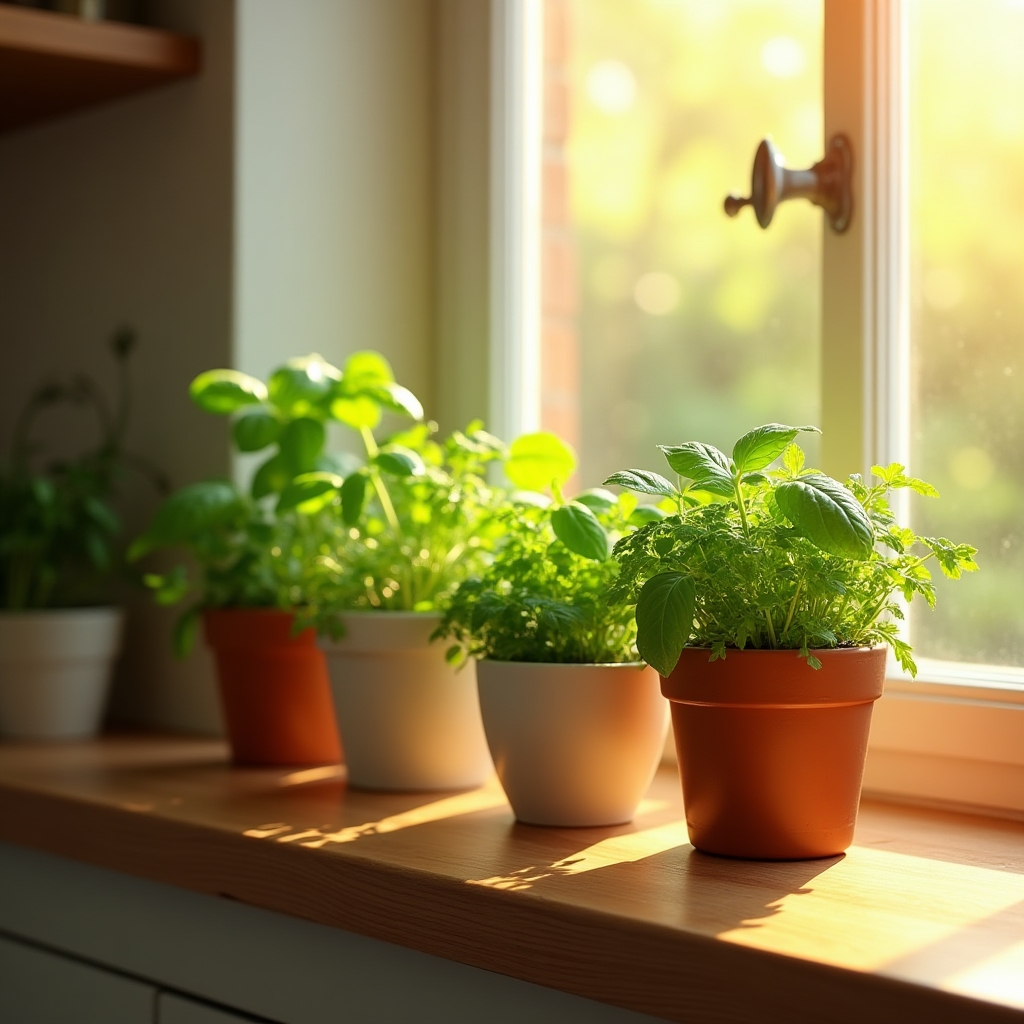
What the Course Covers
Six core areas, each built around how the underlying systems actually work — not just what to do, but the logic behind it.
Space Assessment
Reading your specific environment: light hours, airflow, surface area, load limits. Before choosing a system, you learn to understand what you're working with.
Hydroponic Systems
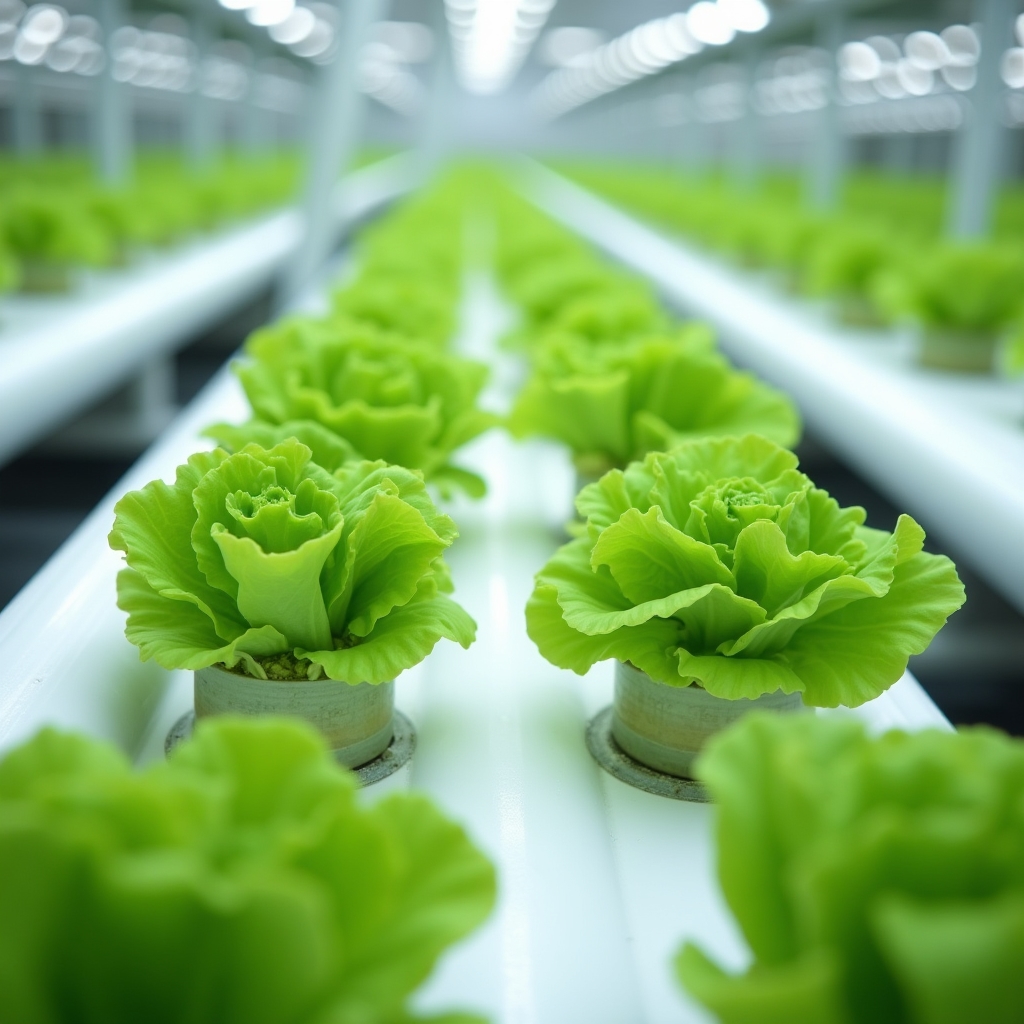
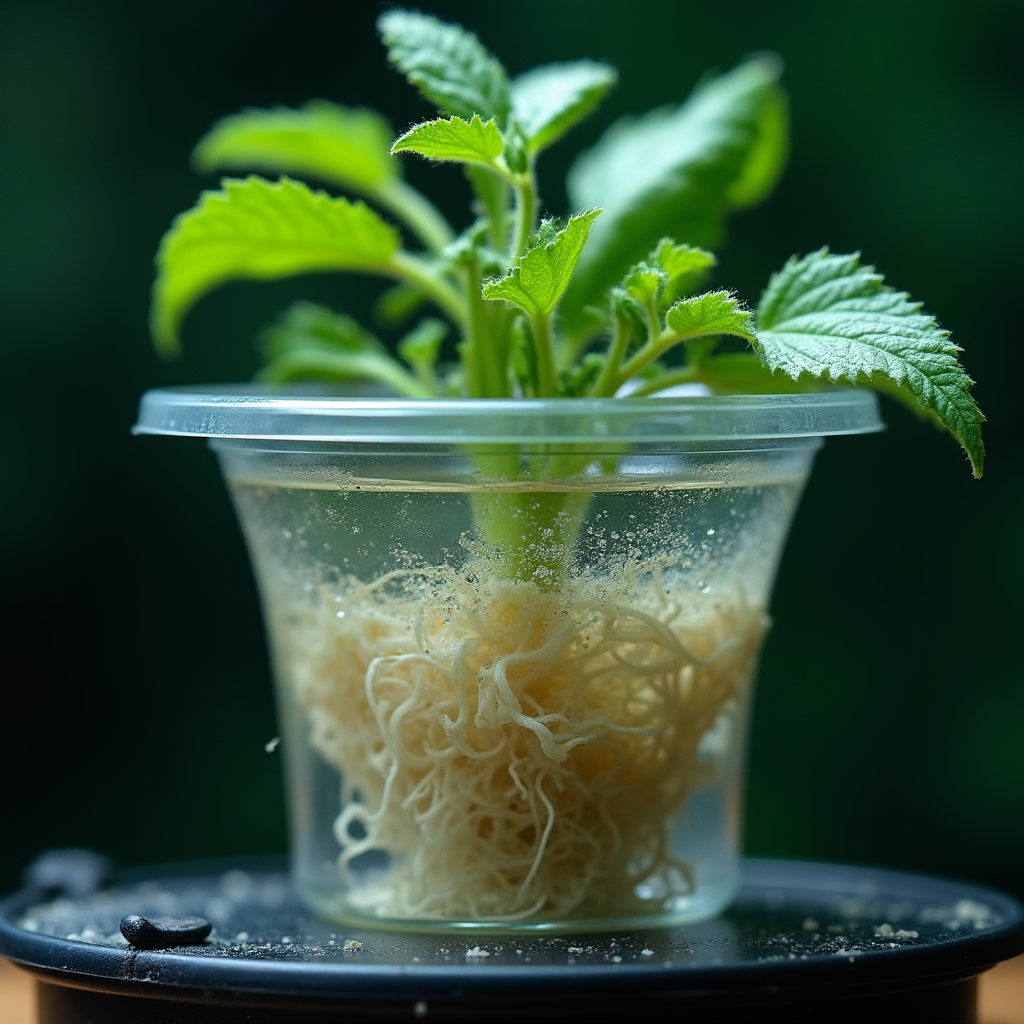
NFT, DWC, Kratky, wick — we walk through each method's mechanics. You'll understand why one fits a balcony better than another, and what trade-offs each involves.
Crop Selection
Not every plant suits every setup. The course maps crops to conditions — lettuce for low light, tomatoes for full sun, herbs for minimal space — with the reasoning behind each pairing.
Nutrients & pH
The chemistry explained accessibly. What plants need at each growth stage, how to mix solutions, and how to adjust when readings drift. Practical and grounded in plant biology.
Lighting Strategies
Natural light management and supplemental grow lights. Photoperiod basics, spectrum considerations, and practical placement for indoor setups without expensive equipment.
Troubleshooting
How to read plant signals — yellowing, wilting, stunted growth — and trace them back to their actual cause. A diagnostic framework that works across different setups.
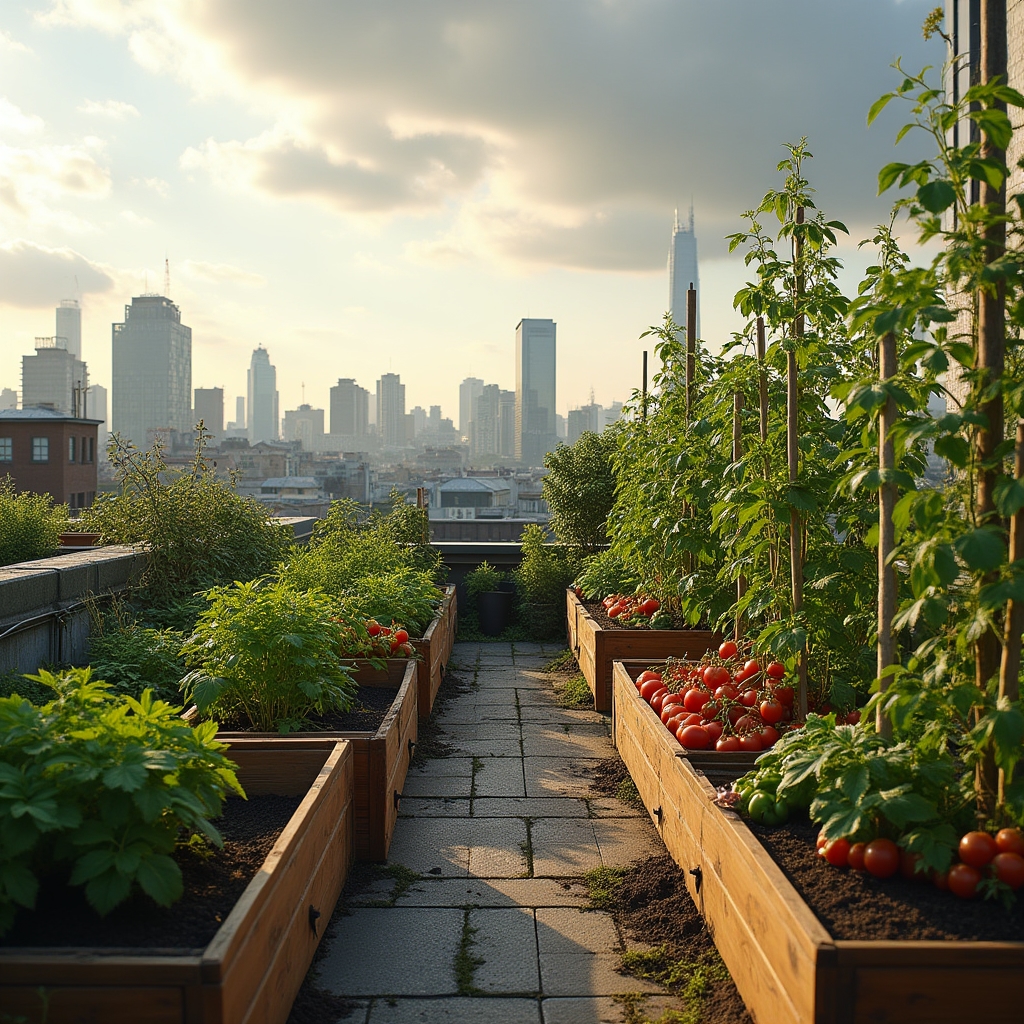
Spaces That Grow Food
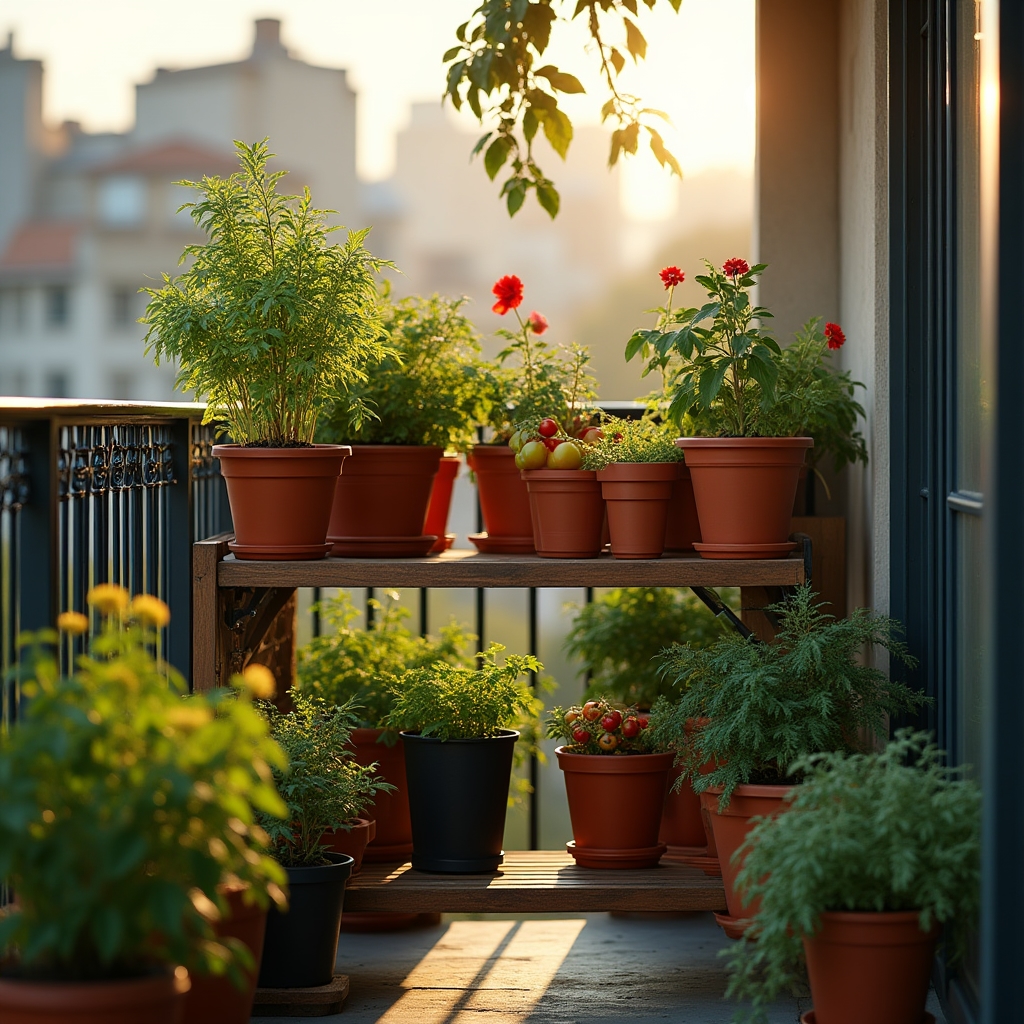
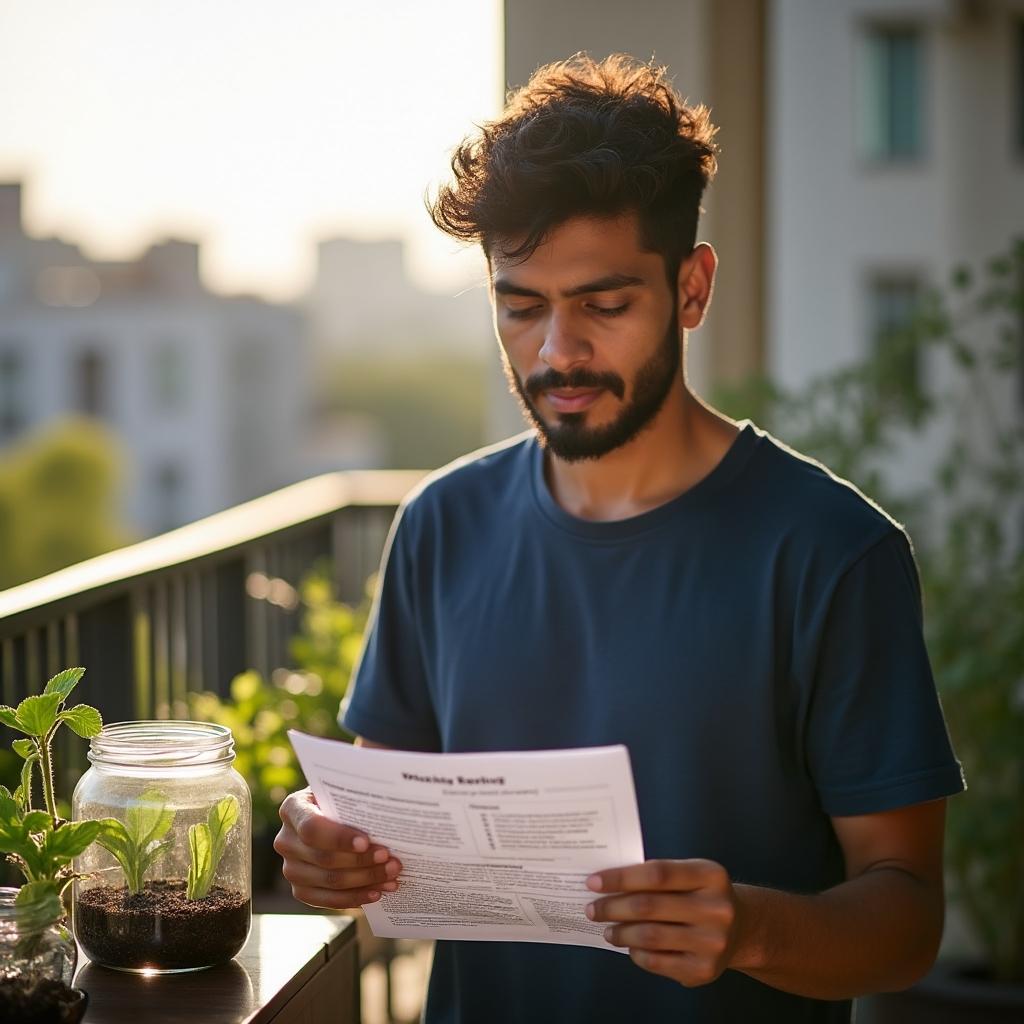
You Don't Need a Garden. Or Experience.
The course was built around a specific constraint: most people interested in growing food don't have outdoor plots. They have a south-facing window. A balcony that gets four hours of sun. A corner in the kitchen.
That's enough. The course starts from that reality and works forward, not backward from an idealized growing space.
How the Course Works — Openly Explained
No upfront equipment is required to begin. The early modules focus on assessment and planning — understanding your space, deciding which system fits, and what materials you'll eventually need. By the time you're ready to purchase anything, you'll know exactly what to get and why, rather than buying a kit and figuring it out later.
Some systems work in as little as 30cm of horizontal space. A Kratky jar on a windowsill, for instance, requires no electricity and minimal footprint. The course maps specific systems to specific space constraints so you're not guessing. A 1m x 0.5m balcony section can support a meaningful herb and lettuce setup using vertical stacking — the course covers that configuration in detail.
Different, not necessarily harder. Soil has a buffer — it holds nutrients and corrects some imbalances on its own. Hydroponics is more direct: nutrients go straight to roots, so you have more control and faster feedback. The course treats this as a feature, not a complication. Once you understand what the numbers on your pH and EC meter mean, the system becomes quite readable. Most beginners find it more logical once the initial concepts click.
Yes, with supplemental lighting. The course covers both scenarios — spaces with adequate natural light and spaces that rely primarily on grow lights. For indoor setups, we explain the spectrum considerations (red and blue wavelengths, their roles in vegetative and flowering stages) and recommend practical entry-level options that don't require a large investment. Leafy greens are particularly well-suited to indoor artificial light setups.
The course focuses on crops that perform well in small urban setups: lettuce varieties, spinach, basil, mint, cilantro, radishes, cherry tomatoes, and dwarf peppers. Each crop section explains germination, transplanting timing, harvest cycles, and specific care notes. We also cover which crops are most forgiving for beginners — lettuce and most herbs are excellent starting points because they show clear, readable feedback as they grow.
The course is structured as written modules with accompanying visual guides and diagrams. Each module is self-contained, meaning you can revisit individual sections as your setup evolves. There's no fixed schedule — you work through the material at your own pace. The troubleshooting section in particular is designed as a reference you'll return to throughout your growing season, not just read once.
Your Growing Space Is Waiting
Whether it's a balcony in Gdańsk or a corner of your apartment, the course gives you a clear, reasoned path from zero to your first harvest.